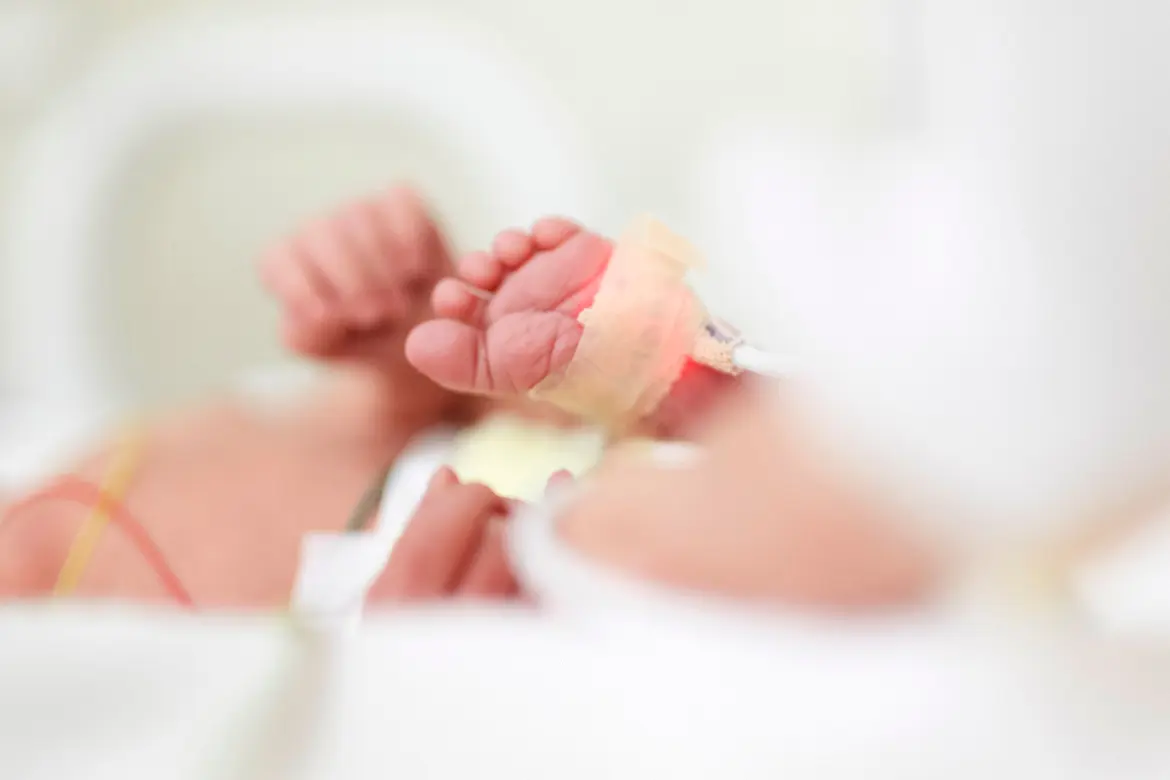
Premature birth is a common occurrence for many families worldwide, yet it often raises questions and concerns for expectant parents. Understanding what it means to have a premature baby and the challenges that may arise can help parents navigate this journey with comfort and reassurance.
What is a premature baby?
Premature birth, medically termed as a preterm birth, occurs when a baby is born before completing 37 weeks of gestation, compared to the typical 40 weeks of a full-term pregnancy. These tiny warriors often weigh less than 2.5 kilograms at birth, whereas a full-term baby typically weighs between 2.5 to 4 kilograms. Premature birth can be further categorised into four types:
- Late preterm: Born between 34 and 36 weeks.
- Moderately preterm: Born between 32 and 34 weeks.
- Very preterm: Born between 28 and 32 weeks.
- Extremely preterm: Born before 28 weeks.
How common is premature birth, what causes it, and can it be prevented?

Premature birth is more common than many may realise, affecting approximately 1 in 10 babies in Singapore. Various factors can contribute to preterm birth, including:
- Multiple pregnancies (twins, triplets, etc.)
- Infections during pregnancy
- Chronic conditions such as high blood pressure and diabetes
- Lifestyle factors like smoking and substance abuse
- High level of stress, including physical, emotional and environmental
Do all premature babies need to be admitted to a NICU after birth?
Not all premature babies need to be admitted to a Neonatal Intensive Care Unit (NICU) after birth. The necessity for NICU care depends on the baby's gestational age, birth weight, overall health, and individual needs. Late preterm babies (born between 34 and 36 weeks) and moderate preterm babies (born between 32 and 34 weeks) might require NICU care for monitoring but could be stable enough for less intensive support. Very preterm babies (born between 28 and 32 weeks) and extremely preterm babies (born before 28 weeks) almost always need NICU care due to significant medical support required for their underdeveloped organs, and can expect to stay 4 – 6 months in the hospital, or even longer.
What challenges do premature babies face at birth?
From the moment they enter the world, premature babies may face a myriad of potential short-term health challenges, which can also have long-term implications, including:
- Breathing - Premature babies often experience significant breathing difficulties due to their underdeveloped lungs. Immediate concerns include:
- Respiratory distress syndrome (RDS): This occurs because the lungs may lack surfactant, a substance essential for lung expansion, making it difficult for the baby to breathe and obtain sufficient oxygen. Over time, this condition can contribute to chronic respiratory issues such as bronchopulmonary dysplasia (BPD).
- Apnoea of prematurity: Preterm babies may experience pauses in breathing because their respiratory control is still developing. Apnoea can occur even if the baby initially breathes on their own, but it generally improves as their respiratory system matures. Most babies outgrow this condition before leaving the hospital.
- Heart problems - Common heart issues in preterm babies include:
- Patent ductus arteriosus (PDA): This condition involves a persistent opening between two major blood vessels, the aorta and the pulmonary artery, which should normally close shortly after birth. If the ductus arteriosus remains open (patent), it can cause abnormal blood flow and lead to heart failure if untreated. Proper management is essential to prevent long-term cardiovascular complications.
- Low blood pressure: This may require treatment with intravenous fluids, medications, or blood transfusions to stabilise blood pressure and ensure adequate blood flow to vital organs.
- Feeding difficulties - Preterm babies often have trouble feeding because their suck-and-swallow reflex is not fully developed. They may need additional support and intervention to feed properly.
- Neurodevelopmental delays - Preterm babies are at risk for:
- Brain bleeding: About 20% of those weighing less than 2kg are affected. This can lead to cerebral palsy, developmental delays, and learning difficulties.
- Brain injuries: Caused by a lack of oxygen, this can potentially result in long-term developmental and learning issues, impacting cognitive and motor skills.
- Infections - With underdeveloped immune systems, preterm babies are at higher risk for severe infections, which can lead to serious complications.
- Eyes - Premature babies are vulnerable to retinopathy of prematurity (ROP), a condition caused by abnormal blood vessel growth in the retina. This can result in visual impairment or blindness, particularly in very premature babies or those receiving high levels of oxygen.
- Low body temperature - Preterm babies are more prone to losing body heat, which can lead to hypothermia. Maintaining a stable body temperature is crucial for supporting their growth and development.

In addition to these immediate challenges, premature babies may face long-term health complications that require ongoing medical attention. It is important for parents to differentiate between conditions that are common in premature babies, such as mild jaundice, and those that require immediate consultation with a paediatrician, such as respiratory distress or severe feeding difficulties.
Does a premature baby meet the same developmental milestones as a full-term baby?
Premature babies often reach developmental milestones at a different pace compared to full-term babies. This variation is typically assessed using their corrected age, which is calculated by subtracting the number of weeks they were born early from their chronological age. For example, a baby born 8 weeks early and is now 12 weeks old chronologically would have a corrected age of 4 weeks. This approach helps provide a more accurate timeline for developmental expectations. Premature babies might reach gross motor milestones, such as rolling over, sitting up, crawling, and walking, at a delayed pace compared to full-term peers. Similarly, fine motor skills like grasping and manipulating objects may develop more gradually.
Cognitive, language, and social milestones also tend to follow a similar pattern but may be achieved later. For instance, preterm babies might begin babbling or speaking their first words a few months after their full-term counterparts, when adjusted for corrected age. Social skills such as making eye contact and engaging with caregivers might also develop on a slightly delayed timeline. Additionally, vision and hearing, which can be affected by prematurity, require regular monitoring. Early intervention programmes and consistent developmental assessments by healthcare providers play a crucial role in supporting preterm babies and helping them catch up with their full-term peers over time.
How does premature birth affect mothers?
Premature birth doesn't just affect the baby; it can also have profound effects on the mother. The unexpected early arrival of a newborn can trigger a range of emotions in the mother, including feelings of guilt, anxiety, and inadequacy. Additionally, the mother and her newborn may be physically separated while in the Neonatal Intensive Care Unit (NICU), further exacerbating the emotional strain. It's essential for mothers experiencing any form of depression or distress to seek help promptly. Addressing these emotions and seeking support can significantly impact the mother's well-being and her ability to care for her premature baby effectively.
How does premature birth affect siblings?

Having a premature baby can impact older siblings, who may sense the stress and uncertainty surrounding the new arrival. Their reaction varies based on age and personality. It's crucial to communicate openly with them, answering questions honestly and reassuring them that they can talk about their feelings. Involving them in activities like drawing pictures for the baby or choosing a gift fosters inclusion. If visits are possible, prepare them by explaining what the hospital environment may be like beforehand. Additionally, consider resources like books tailored for siblings of premature babies to aid their understanding and coping process.
Does a previous preterm birth increase the risk for future pregnancies?
While the risk might be higher if you have had a preterm birth before, many women who have experienced preterm labour go on to have full-term pregnancies in subsequent deliveries. It’s essential to work closely with your healthcare provider to manage any risk factors and to ensure the best possible care for you and your baby.
Can premature birth be prevented?
While not all cases of premature birth can be prevented, there are steps pregnant mothers can take to lower their risk, including:
- Seeking early and regular antenatal care
- Maintaining a healthy lifestyle
- Managing any existing health conditions
- Reducing stress through relaxation techniques and support networks
- Going for a preconception consultation with an obstetrician if you have a family history of premature births or other health concerns
When should you contact your healthcare provider about preterm labour?
Preterm labour, or labour that begins before 37 weeks of pregnancy, requires prompt medical attention to prevent premature birth and ensure the safety of both mother and baby. While some signs of preterm labour may mimic those of normal pregnancy discomforts, it's essential to be vigilant and contact your healthcare provider if you experience any of the following:
- Change in vaginal discharge: Any significant change in vaginal discharge, particularly if it becomes watery, bloody, or mucous-like.
- Pelvic pressure: A persistent feeling of pressure or heaviness in the pelvic area, which may indicate the baby's descent into the birth canal.
- Low backache: Persistent low back pain, especially if it's accompanied by pelvic pressure or abdominal cramping.
- Abdominal cramping: Regular or persistent abdominal cramping, similar to menstrual cramps but potentially more intense.
- Fluid leakage: Any leakage of fluid from the vagina, particularly if it's clear, pink, or tinged with blood.
If you experience any symptoms of preterm labour or have concerns, contact your healthcare provider right away. Early intervention is key for the best outcome for both you and your baby.
Premature birth can present significant health risks due to incomplete organ development, but advances in care are improving outcomes for preterm babies. If you have any concerns about your premature baby’s health or development, don’t hesitate to consult a paediatrician. Their expertise can provide valuable guidance and support to ensure your baby receives the best possible care.