 Add as a preferred source on Google

What is food poisoning, and why is it common when travelling?
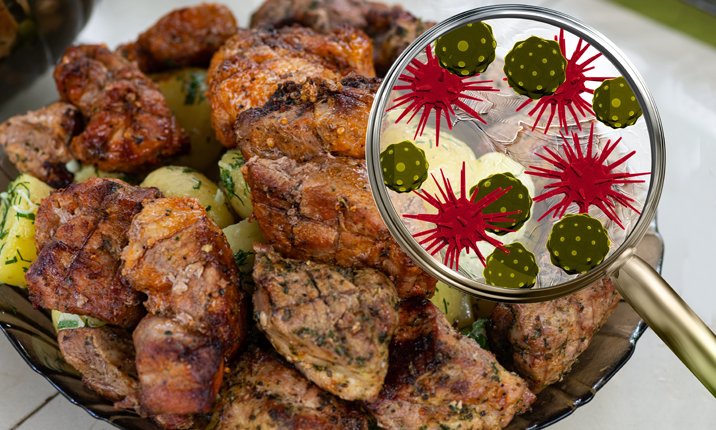
Food poisoning is a food-borne illness caused by eating contaminated food or drinks. It is also commonly referred to as traveller’s diarrhoea, a type of acute gastroenteritis.
Changes in hygiene standards, water quality, and food handling practices can increase your risk — but the good news is that most cases are preventable.
Common causes of food poisoning:
- Bacteria (most common)
- Viruses
- Parasites
Who is at higher risk?
You may be more vulnerable to food poisoning if you:
- Are pregnant
- Are elderly or travelling with young children
- Have a weakened immune system
- Take medications that reduce stomach acid (e.g. PPIs)
- Have chronic digestive conditions
If you fall into these groups, take extra precautions when travelling.
Before your trip: See a doctor

Ideally, visit a GP 4–6 weeks before travelling, especially if you are in a higher-risk group.
Even a last-minute consultation can still be helpful.
What you might get from a consultation:
- Personalised advice based on your destination
- Recommended vaccinations (e.g. hepatitis A)
- A travel medical kit for common conditions
What to pack in your travel medical kit
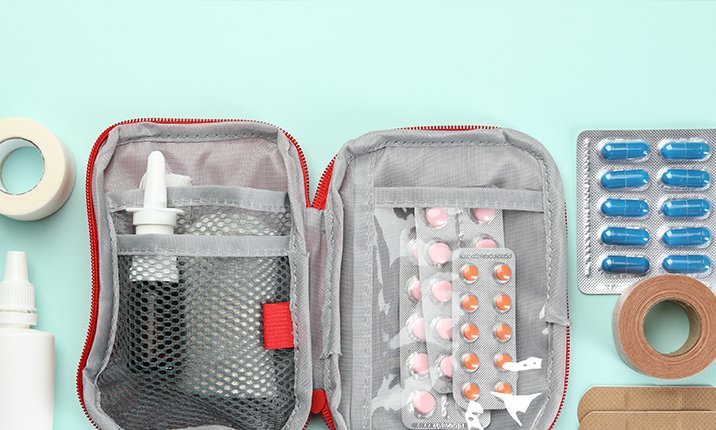
If you’re preparing your own kit, include:
1. Anti-nausea (anti-emetic) medication
Helps control vomiting — especially useful during long journeys.
2. Oral rehydration salts (ORS)
The most important treatment. These replace lost fluids and electrolytes from diarrhoea or vomiting.
3. Anti-diarrhoea medication
Can reduce bowel movement frequency when needed (e.g. during travel days).
⚠️ Avoid if you have fever or blood in your stool.
4. Antibiotics (if prescribed)
Most cases of food poisoning do not require antibiotics. They may be prescribed by a doctor for:
- Moderate to severe symptoms
- Fever or blood in stool
- Higher-risk individuals
Always follow your doctor’s instructions.
How to prevent food poisoning while travelling

Practise good hygiene
- Wash your hands with soap before meals and after using the toilet
- Use hand sanitiser (≥60% alcohol) if soap isn’t available
Be careful with what you eat and drink
Safer choices:
- Freshly cooked, hot food
- Fruits you can peel yourself
- Bottled or boiled water
Avoid:
- Ice unless made from safe, treated water
- Raw or undercooked food
- Unpasteurised dairy (milk, cheese)
- Food from dented or bulging cans
What to do if you get food poisoning overseas
Most cases are mild and improve within 1–3 days.
Focus on:
- Hydration (most important)
- Oral rehydration salts (preferred over plain water)
- Anti-diarrhoea and anti-nausea medication (if appropriate)
- Rest
Even if you can’t eat, sip fluids regularly to prevent dehydration.
What to eat while recovering:
- Bland foods (e.g. porridge, toast)
- Avoid spicy, oily, or dairy-heavy foods
- Limit caffeine
When should you see a doctor?
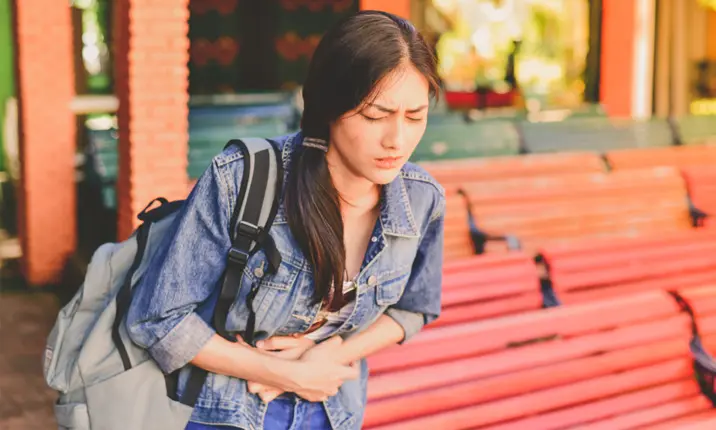
Seek medical attention if you have:
- Symptoms lasting more than 24–36 hours
- High fever (≥38°C)
- Severe abdominal pain
- Blood in stool or vomit
- Persistent vomiting (unable to keep fluids down)
Signs of dehydration:
- Dizziness or confusion
- Very little urine
- Extreme fatigue
If symptoms are severe or disrupt your travel, a doctor may prescribe additional treatment, including antibiotics if needed.
Do probiotics or home remedies help?

Probiotics are sometimes used to prevent or manage diarrhoea.
- Evidence is mixed for prevention
- Some studies show a modest reduction in symptom duration
They may be considered, but should not replace hydration or medical care.
Do you need vaccines for food poisoning?
There is no single vaccine that protects against all causes of food poisoning.
However, some vaccines (e.g. hepatitis A) may be recommended depending on:
- Your destination
- Planned activities
- Vaccination history
Be mindful that vaccines do not replace safe food and hygiene practices.
How long does food poisoning last?
It depends on the cause:
- Viral: 2–3 days
- Bacterial: 3–7 days
- Parasitic: Can persist for weeks if untreated
Some infections may only show symptoms days or even weeks after travel, so inform your doctor about recent trips if you fall sick.
A bout of food poisoning can also lead to post-infectious irritable bowel syndrome (IBS), where digestive symptoms persist even after the infection has cleared.
Final takeaway
Food poisoning is common when travelling — but it’s largely preventable.
With good hygiene, careful food choices, and basic preparation, you can significantly reduce your risk and enjoy your trip with peace of mind.