

Gout used to be known as a ‘rich man’s disease’ back in the day because it stemmed from having a diet full of food that only the rich could afford. With different types of food made more accessible to all these days, gout can affect more people than you think.
Gout is a type of arthritis that causes sudden pain, swelling and inflammation of the joints with almost half of all cases affecting the big toes. Other places it affects include the fingers, wrists, knees and heels.
In healthy bodies, uric acid (a by-product that comes from the digestion of certain types of food) is easily removed from the body when it passes though the kidneys into urine. However, when the kidneys cannot process uric acid efficiently or if there is too much uric acid in the blood, urate crystals accumulate in the joints which triggers pain, swelling, and inflammation. A gout attack happens when uric levels in the blood are high and the body is unable to break down the acids efficiently. These attacks commonly happen at night and can last between 3 – 10 days.
Food to avoid if you have gout
Food high in purines (containing more than 150 – 200mg of purines per 100 grams) may raise your uric acid levels. These include:
- Organ meats – liver, kidney, and brain
- Red meat and game meat such as veal and venison
- Seafood – scallops, crab, shrimp and roe
- Fish – herring, trout, mackerel, tuna, sardines, anchovies
- Alcohol and beer
- Sugary drinks – fruit juice and carbonated drinks
- Added sugar – honey, agave nectar and high-fructose corn syrup
- Yeasts – nutritional yeast, brewer’s yeast and other yeast supplements
Besides the meats and fish mentioned above, meats such as chicken, beef, pork and lamb should be eaten in moderation as they contain a moderate amount of purines (between 100 – 200mg per 100 grams). Consuming too much of these meats may trigger a gout attack. However, salmon can be eaten in moderation as it contains lower levels of purines compared to other fish.
Food that’s suitable for gout
Low purine food (containing less than 100mg of purines per 100 grams) that are generally safe for those who have gout include:
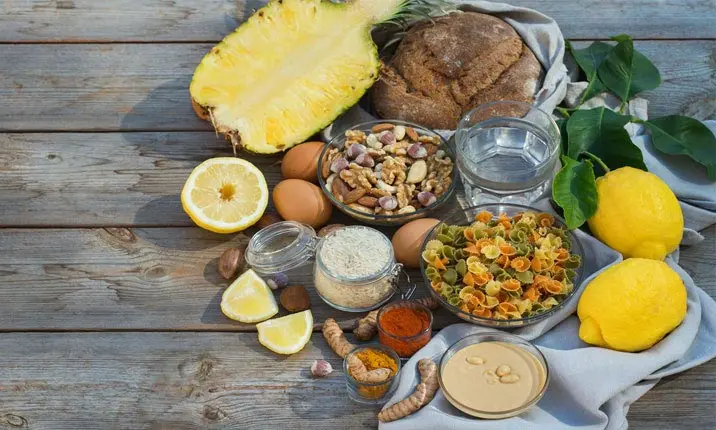
- Fruits – cherries may help to prevent attacks by lowering uric acid levels and could reduce inflammation.
- Vegetables – high purine vegetables such as asparagus and spinach don’t increase the risk of gout or gout attacks
- Legumes
- Nuts
- Whole grains
- Dairy products, especially low-fat dairy
- Eggs
- Coffee, tea and green tea
- Herbs and spices
- Plant-based oils – canola, coconut, olive and flax
Gout-friendly festive feasting
Eating, drinking and being merry during the many festive seasons of Singapore is inevitable. For those with gout, it may be a little harrowing, dodging food and drinks that will trigger an attack. Here are a few tips to keep in mind so you can stay happy and healthy.
- Remember that festive food and drinks are often high in purines, made with lots of seafood, red meat, wine and more. To help avoid an attack, drink plenty of water and fluids to flush out the uric acid in your blood. Do let your host know you have gout so they won’t press you to indulge in food and drink that could cause an attack.
- Stick to chicken, turkey and salmon which contain a moderate amount of purines, and fill up more on vegetables and fruits!
- Alcohol is a source of purines and also affects the rate that uric acid is removed from your body, which can lead to increased uric acid levels in your blood. Spirits have the lowest purine content whereas beer has the highest. Bear in mind that alcoholic drinks will cause your uric acid levels to increase. If you must, stick to just one glass of your preferred alcoholic beverage and try to avoid beer.
- Keep everything in moderation! A day of feasting and merriment may be ‘worth it’ in the moment, but is it worth the following week of discomfort?
Sample of a gout-friendly menu:
Breakfast
- Whole-grain, unsweetened cereal with skim or low-fat milk
- 1 cup fresh strawberries
- Coffee
- Water
Lunch
- Roasted chicken breast (60g)
- 1 cup of cooked brown rice
- Stir-fry vegetables
- Caffeine-free beverage
Afternoon snack
- 1 cup fresh cherries
- Water
Dinner
- Roasted salmon (90g)
- Roasted or steamed vegetables
- 1/2 to 1 cup pasta with olive oil and lemon pepper
- Low-fat yoghurt
- A small handful of almonds or walnuts
What else can you do?
If you are overweight, your doctor/dietitian might advise you to lose some weight because being overweight may lead to insulin resistance, which promotes high uric acid levels. Increasing your frequency of exercise not only helps you lose weight but can also help to keep your uric acid levels low. Making sure that you’re properly hydrated is also important because urinating can help remove excess uric acid from the blood. Take note to drink more water if you’re exercising in order to make up any water loss from sweating. Lastly, limit your intake of alcohol as it’s a common trigger for gout attacks.

Following a gout-friendly diet detailed by a dietitian can help alleviate its symptoms and although it is not a cure, it can slow down the progression of joint damage. There are also medications that can be taken to lower uric acid levels. Speak to an orthopaedic specialist to understand how you can manage your condition.