This device or software is intended for use only for general wellbeing purposes or to encourage or maintain a healthy lifestyle, and is not intended to be used for any medical purpose (such as the detection, diagnosis, monitoring, management or treatment of any medical condition or disease or contraception. Any health-related information provided by this device or software should not be treated as medical advice. Please consult a physician for any medical advice required.
In a medical emergency call 995 or visit the nearest Accident & Emergency department. Use of this symptom checker shall be at your sole discretion and risk. Parkway Group Healthcare Pte Ltd and its affiliates (including Parkway Shenton Pte Ltd) do not accept any responsibility for any reliance by you on the information provided.
Physical examination, including assessment of symptoms and medical history.
Imaging tests such as Computed Tomography (CT) scans, Magnetic Resonance Imaging (MRI), and carotid ultrasound to identify the location and cause of the stroke.
Blood tests to check for underlying conditions such as diabetes or high cholesterol. Other blood tests to rule out rare causes may be indicated.
Heart tests including electrocardiograms (ECG) and echocardiograms to detect heart issues that may cause embolic strokes.
How is an ischaemic stroke treated?
Treatment focuses on restoring blood flow to the brain and preventing further strokes:
Medications
Thrombolytics. Clot-busting drugs such as tissue plasminogen activator (tPA) given within a few hours of stroke onset.
Antiplatelet agents. Such as aspirin to prevent new clots.
Anticoagulants. Blood thinners to reduce the risk of future strokes.
Surgical procedures
Mechanical Thrombectomy. Removing the clot using a catheter.
Carotid Endarterectomy. Surgery to remove fatty deposits from the carotid arteries.
Angioplasty and stenting. Opening a blocked artery with a balloon and placing a stent to keep it open.
Rehabilitation. Post-stroke rehabilitation including physical, occupational, and speech therapy to help regain lost skills and function.
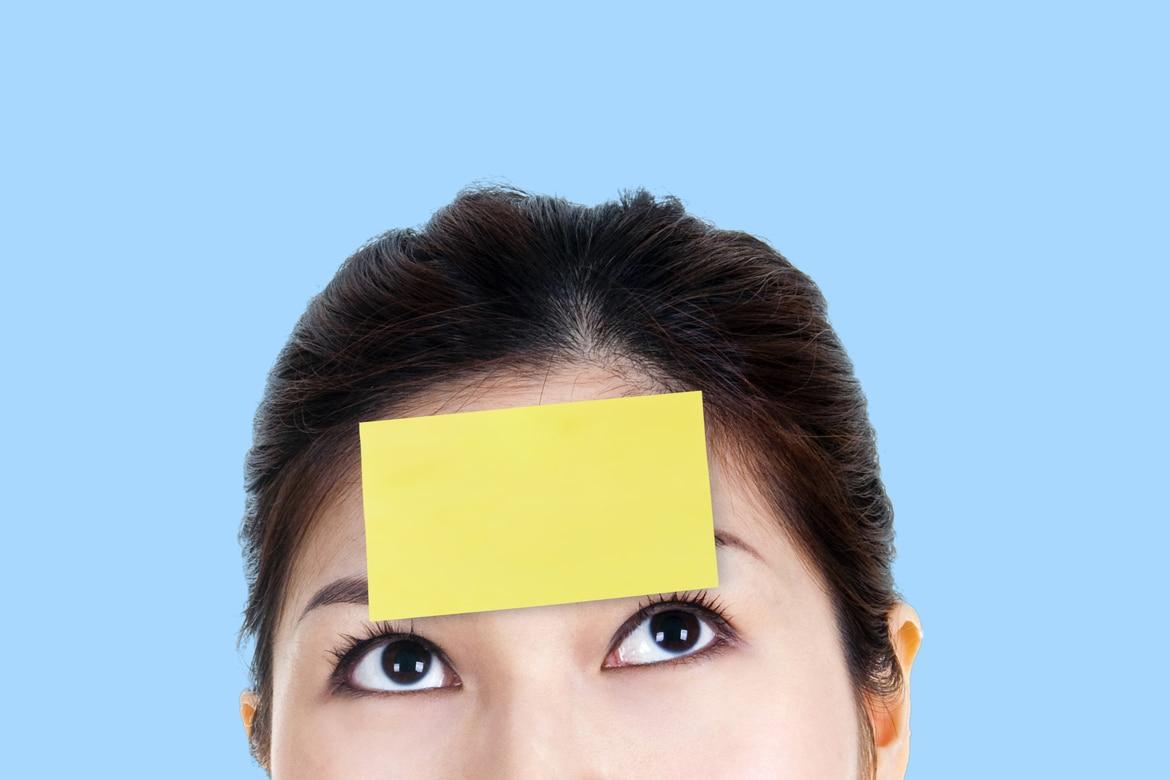
Always forgetting things, like your colleagues’ names, your best friend’s birthday or where you left your house keys? Combat forgetfulness with our list of things that help and hurt your memory.