This device or software is intended for use only for general wellbeing purposes or to encourage or maintain a healthy lifestyle, and is not intended to be used for any medical purpose (such as the detection, diagnosis, monitoring, management or treatment of any medical condition or disease or contraception. Any health-related information provided by this device or software should not be treated as medical advice. Please consult a physician for any medical advice required.
In a medical emergency call 995 or visit the nearest Accident & Emergency department. Use of this symptom checker shall be at your sole discretion and risk. Parkway Group Healthcare Pte Ltd and its affiliates (including Parkway Shenton Pte Ltd) do not accept any responsibility for any reliance by you on the information provided.
Growing pains are cramping or aching pains that affect your child's legs. The pain typically occurs in the calf muscles at the back of the leg, or muscles in front of the thighs.
Growing pains usually occur in children between 2 – 12 years old.
The term "growing pains" can be misleading as there is no evidence that the pain is due to growth spurts.
What are the symptoms of growing pains?
Usually, children with growing pains experience pain while they are asleep, which may cause them to wake up. Additional symptoms include:
Abdominal pain or headache together with growing pains.
An aching or throbbing feeling in front of their thighs or behind their legs, in their calf muscles.
Pain starting in the late afternoon, or early evening, which usually disappears in the morning.
Pain that comes and goes, which does not happen every day. Most children feel pain in their muscles and not their joints and bones.
What causes growing pains?
There is no evidence that the pain is due to growth spurts. Possible reasons for growing pains include:
Flexible joints (hypermobility)
Lower pain threshold in children
Less bone strength due to low vitamin D levels
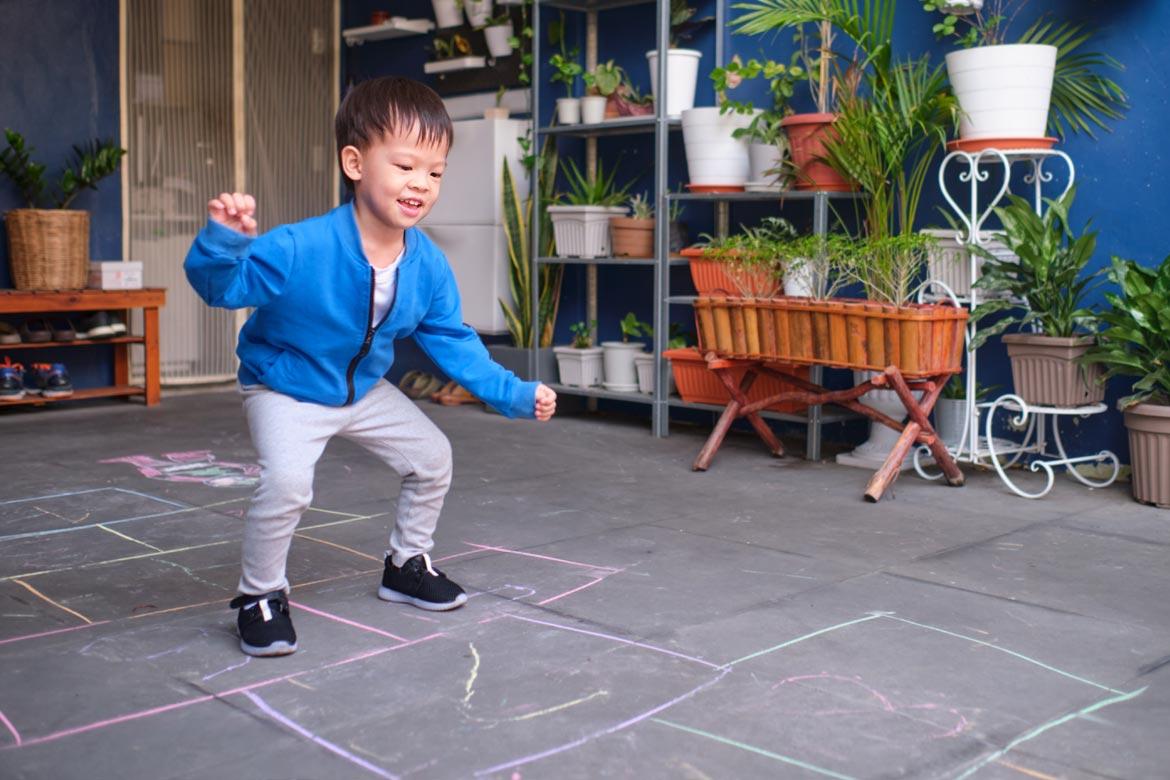
Overuse of muscles (e.g. running, climbing and jumping) during the day, leading to muscle pain at night
To confirm your child's diagnosis and treat it correctly, speak to a paediatric orthopaedic surgeon. Your surgeon can help to rule out other conditions, such as growths, occult fractures and indolent infections.
How do you prevent growing pains?
Although growing pains cannot be prevented, you may ease symptoms by:
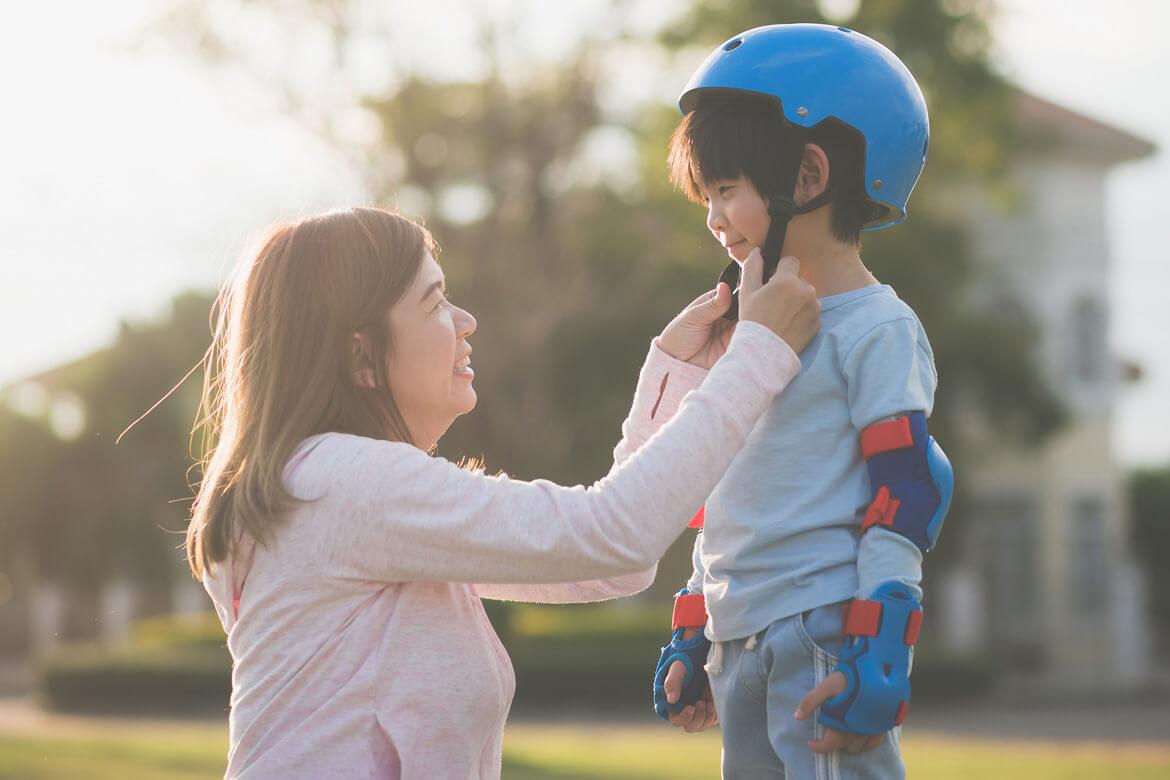
Encouraging your child not to overexert themselves and suggesting breaks when they are physically active.
Letting your child take a warm shower or bath before bedtime to soothe their muscle aches and pains.
Varying your child's sports and activities to exercise different muscles in their body.
Dr Lim Yi-Jia, orthopaedic surgeon and former chief tournament physician to Women's Tennis Association (WTA) athletes, shares tips on how to protect your sporty kids against injuries.