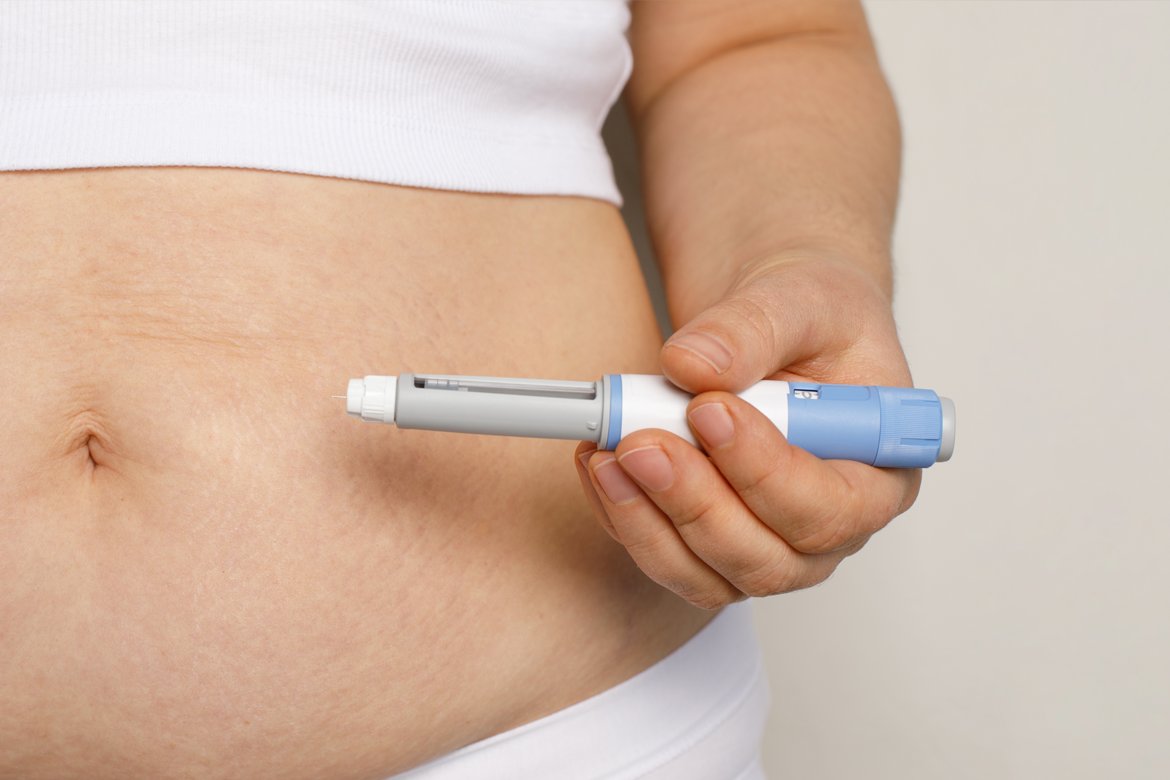
GLP-1 Medications for Weight Loss: What You Should Know
Thinking about GLP-1 injections for weight loss? Dr Gregom Sng and Dr Chew Chun Yang from Parkway Shenton explain who’s suitable, how these medications work, and what results to expect.


GLP-1 (glucagon-like peptide-1) medications are prescription treatments used for type 2 diabetes and chronic weight management.
GLP-1 is a hormone released naturally after meals. It helps to:
GLP-1 receptor agonists mimic this hormone, reducing appetite and improving glucose control. Some newer medications act on additional hormone pathways involved in metabolic regulation.
In individuals living with obesity, GLP-1 medications may support weight loss when prescribed and used under medical supervision.
Several GLP-1 medications are available in Singapore. The most commonly prescribed include:
Active ingredient: semaglutide
Ozempic was originally developed for diabetes. Because it reduces appetite and improves blood sugar control, weight loss was also observed in clinical studies.
Ozempic contains the same active ingredient as Wegovy but is typically prescribed at lower maximum doses for diabetes management.
Active ingredient: semaglutide (higher-dose formulation)
Wegovy contains the same active ingredient as Ozempic, but at a higher dose specifically studied and approved for weight management.
Active ingredient: tirzepatide
Mounjaro acts on two hormone pathways, GLP-1 and GIP. In clinical trials, tirzepatide demonstrated greater average weight reduction of 15–20% compared to earlier GLP-1 medications under controlled study conditions.
Active ingredient: liraglutide
Saxenda is an earlier-generation GLP-1 medication. Because it is administered daily, some patients may prefer weekly alternatives. Average weight reduction in studies has generally ranged between 5–10% when combined with lifestyle changes.
Although all are used in medical weight management, they differ in active ingredient, dosing schedule, approved indications, and degree of weight loss observed in clinical studies.
| Medication | Active Ingredient | Frequency | Primary Indication | Average Weight Loss in Studies* |
|---|---|---|---|---|
| Ozempic | Semaglutide | Weekly | Type 2 diabetes | Moderate |
| Wegovy | Semaglutide | Weekly | Weight management | ~10–15% |
| Mounjaro | Tirzepatide | Weekly | Type 2 diabetes | ~15% or more |
| Saxenda | Liraglutide | Daily | Weight management | ~5–10% |
* Results vary between individuals and depend on adherence and lifestyle factors.
There is no single “best” option. Suitability depends on:
Your doctor will assess your individual health profile before recommending the most appropriate option.
GLP-1 medication may be considered if:
Obesity is recognised as a chronic condition influenced by hormonal, metabolic and genetic factors. GLP-1 medications may help regulate appetite and improve metabolic control as part of medical management.
GLP-1 medications are not suitable for everyone. They are not recommended if you:
Your doctor will also assess suitability carefully if you have:
Many patients tolerate GLP-1 medications well. Most side effects are gastrointestinal and are more common when starting treatment or increasing dosage.
These are usually mild and improve over time, especially with gradual dose escalation and dietary adjustments.
Your doctor will counsel you on the warning signs and appropriate monitoring during treatment.
Thinking about GLP-1 injections for weight loss? Dr Gregom Sng and Dr Chew Chun Yang from Parkway Shenton explain who’s suitable, how these medications work, and what results to expect.
For appointment bookings, please Whatsapp
+65 8198 7777
For clinic or corporate matters, please call
+65 6227 7777
Parkway Shenton is part of
IHH Healthcare, one of the world’s largest
integrated healthcare networks.



Get trusted medical advice from our specialists, dietitians and physiotherapists directly in your inbox.
Subscribe