
COVID-19 vaccination
Vaccination remains our most effective defence against COVID-19. Keeping your vaccinations up to date helps protect you and those around you from serious disease and complications.
COVID-19 continues to circulate with new strains emerging regularly. While our bodies build some natural immunity over time, protection can weaken, and new variants may evade previous immunity. Updated vaccines approved by the Health Sciences Authority (HSA) are specifically designed to provide better protection against current circulating strains.
Why staying updated is important
People at higher risk of severe COVID-19 illness are advised to keep up with recommended vaccinations for continued protection against serious disease. Staying up to date helps maintain your immunity and also supports the safety of those around you.
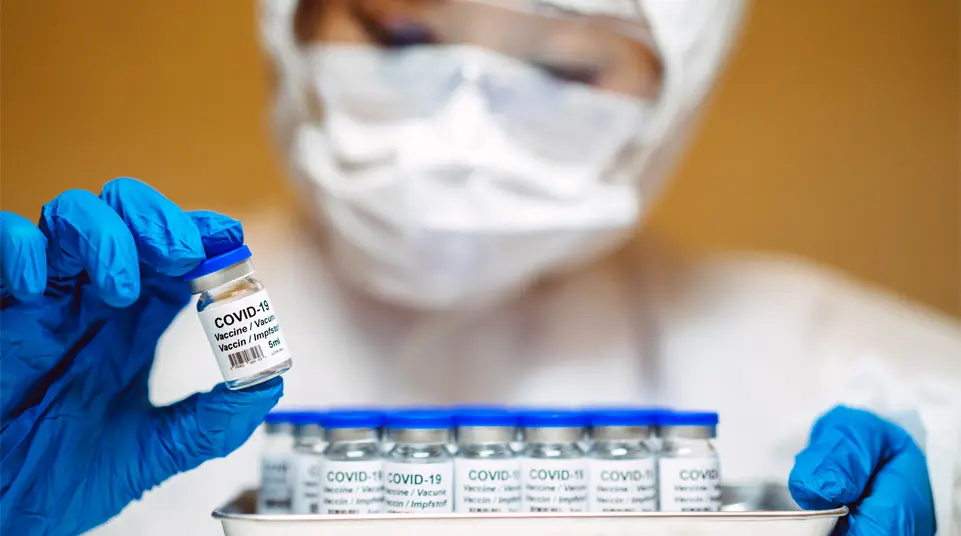

Who should consider COVID-19 vaccination
COVID-19 vaccination is recommended for:
- Adults aged 60 years and above
- Medically vulnerable individuals aged 6 months and above
- Residents of aged care facilities
Healthcare workers, as well as those in close contact with medically vulnerable individuals, are encouraged to consider COVID-19 vaccination. Vaccination also remains available for anyone aged 6 months and above who wants additional protection against COVID-19.
Available vaccines
Both vaccines use mRNA technology and provide protection against current strains:
| Vaccines | Age |
|---|---|
| LP.8.1 Pfizer-BioNTech/Comirnaty (mRNA vaccine) | 6 months and above |
| LP.8.1 Moderna/Spikevax (mRNA vaccine) | 6 months and above |
Note: LP.8.1 refers to the lineage of the variant these vaccines target, providing improved protection against currently circulating strains.
Ready to Get Vaccinated?
Simply walk in to any of our Parkway Shenton clinics. $0 for eligible Singapore residents (citizens, PRs and pass holders).
Find a clinic near meUnderstanding COVID-19 risks
COVID-19 spreads through respiratory particles released when an infected person coughs, sneezes, talks, or breathes. Most people experience mild symptoms, but the risk of serious complications is higher for older adults, people with underlying health conditions, and those with weakened immunity.
Common symptoms
Symptoms typically appear 0–14 days after exposure and may include:
- Fever
- Sore throat
- Cough
- Shortness of breath
- Muscle aches
- Abdominal pain
- Loss of smell or taste
In some cases, COVID-19 can lead to more serious complications, such as respiratory failure, acute respiratory distress syndrome (ARDS), blood clots, heart complications, brain-related conditions like encephalopathy, and severe inflammatory syndromes.
When medical care is needed
Most COVID-19 cases are mild and improve with rest, fluids, and over-the-counter medication for fever or discomfort.
However, seek medical care if you experience difficulty breathing, persistent chest pain, confusion, or inability to stay awake.
Beyond vaccination: Protect yourself and others
While vaccination is your best protection, these measures also help reduce COVID-19 spread:
- Practice good hand hygiene
- Avoid touching your face
- Avoid close contact with people who are unwell
- Wear a mask when needed
- Seek medical attention if you feel unwell
- Stay up to date with recommended COVID-19 vaccinations
FAQs
If you've never been vaccinated against COVID-19:
- Ages 6 months to 4 years: 2 doses, 8 weeks apart
- Ages 5 years and older: 1 dose
If you've been previously vaccinated:
You should receive an additional dose approximately 1 year after your last dose (minimum 5-month interval). This annual booster helps maintain strong protection as immunity naturally wanes over time.
If you recently had COVID-19:
Wait at least 28 days after infection before getting vaccinated. For optimal effectiveness, waiting about 3 months after recovery is recommended.
The vaccine has been assessed to be safe. Like other vaccines, some people may experience common side effects such as pain or swelling at the injection site, tiredness, headache, muscle aches, chills, or mild fever. These side effects are usually mild to moderate and improve within a few days. See a doctor if symptoms persist or worsen, or if a fever lasts more than 48 hours.
Rarely, COVID-19 vaccines may be associated with heart inflammation (myocarditis or pericarditis). Symptoms to watch out for include chest pain, shortness of breath, or a fast or irregular heartbeat. If these occur after vaccination, seek medical advice before your next dose.